
Ecosystem Knowledge Center
The Ecosystem Knowledge Center is the central hub for businesses, organizations, and government agencies for all inquiries regarding the national EUDI Wallet ecosystem in Germany. It provides general information alongside all essential materials and resources required for onboarding and participation.

+++ In addition to digital identification through Person Identification Data (PID), the EUDI Wallet sandbox now also supports testing with Electronic Attestations of Attributes (EAA). +++
Resources for organizations and partners
All the information you need for strategic planning and technical integration into the EUDI Wallet ecosystem – from the initial letter of intent to full-scale live operations.
- Visit external website
Technical integration guide (Developer Guide)
This guide provides detailed documentation for the technical integration and development within the EUDI Wallet ecosystem.
- Visit external website
Ecosystem vision and fundamentals
Understand the ecosystem vision, principles, and core concepts.
- Visit external website
Letter of Intent: Join the sandbox community
Become part of the Sandbox community, test your use cases in a live environment, and help set the standards of tomorrow.
- Visit FAQ
Service providers for EUDI Wallet integration
Discover or register as a service provider supporting the German EUDI Wallet Ecosystem (see FAQ section "Sandbox", last question).
What is the EUDI Wallet Sandbox?
Central test and innovation platform The EUDI Wallet sandbox is the gateway to the European Digital Identity (EUDI) Wallet ecosystem, an environment designed for testing and innovation aligned with the upcoming production environment. For the first time, it allows organizations to test their integrations with the national EUDI Wallet prior to the official rollout. The sandbox supports two core areas of functionality:
Digital identification through Person Identification Data (PID) PID is the foundation for trusted identity verification under eIDAS 2.0, allowing participants to validate identity flows, integrate their services with the EUDI Wallet, and ensure compliance with technical and regulatory standards.
Digital credentials (EAA) Organizations can bring their own digital credentials into the ecosystem — either as an EAA Provider (Issuer) that issues credentials, or as a Relying Party that verifies them. The types of digital credentials are open: any organization can define and test their own credential types.
Participation requirements and support Your organization can be among the first to participate if you have a PID or EAA use case and are technically ready for testing. Your early involvement and feedback will help shape best practices and support other organizations in preparing for integration. The sandbox project team provides guidance on use-case definition and integration preparation.
Validation and continuous expansion Identity use cases can be validated using test data prior to the production launch. In the coming months, the sandbox will be expanded in both functionality and scope, with components being continuously developed toward production readiness. Participant feedback is crucial for developing best practices.
Core architecture and governance model The sandbox reflects the core architecture and governance model of the EUDI Wallet, supporting both PID and EAA. Even after the launch of the production environment, the sandbox will remain the primary point of contact for all Relying Parties (RPs) and Issuers.
Becoming a first mover: sandbox readiness and expansion
The sandbox will initially welcome organizations that are ready to test their PID or EAA use cases under realistic conditions, using test data to simulate real world scenarios. These early adopters will validate identity flows, providing valuable feedback to strengthen the ecosystem. Since the ecosystem and the national EUDI Wallet are still under development, the sandbox will act as a collaborative learning space, fostering exchange and preparing for integration of the broader rollout ahead. Step by step, the sandbox will be opened up to a wider range of organizations, allowing more participants to prepare for the national EUDI Wallet’s public launch. To evaluate whether your organization is ready to join the sandbox, review the onboarding guide, start planning your use cases, and get ready to join.

Secure your edge in the EUDI ecosystem
Use the sandbox to prepare your digital services today for tomorrow's European standards.

Operational market readiness through early access
Use early sandbox access to validate your PID and EAA use cases under real-world conditions. This allows you to optimize the user experience and your technical processes well before the official rollout. The goal: be fully operational and stable by the time the EUDI Wallet launches, ensuring a seamless start for your organization.

Access to expert networks
Become part of the sandbox community and benefit from direct exchange between public and private stakeholders. You get access to technical documentation and direct support from the operators. This collaboration accelerates your development, reduces technical hurdles, and opens doors for new strategic partnerships.

Legal certainty and compliance
Align your services early with the mandatory EU requirements of the eIDAS 2.0 regulation. This minimizes regulatory risks and ensures your technical compliance from day one. Position your organization as a trusted pioneer for secure digital identity services in Europe and gain a competitive edge through early alignment.
What is a relying party and how to become one
Relying Party (RP)
A relying party (RP) is any organization that verifies digital credentials presented by users through their EUDI Wallet. RPs rely on issuers and the ecosystem’s trust framework to ensure credential authenticity and validity.
In addition to the relying party role, organizations can also act as an EAA Provider (Issuer) and issue their own digital credentials. Specific requirements for EAA Providers are described in the EAA Onboarding guide.
If you want to get an overview of existing use cases of relying parties, please check out our use case library in the sandbox support resources.
How to become a relying party or an EAA provider
For detailed information about onboarding, please check out the onboarding guide and refer to the ecosystem vision and fundamentals.
Who can join the sandbox and become a relying party?
Location and service

A prerequisite is the operation of a digital service or platform that requires user verification. This ensures that your application operates within the national legal framework. For a go-live after the official launch of the Wallet in 2027, you must be based in Germany. Testing-only activities are also possible without a registered seat in Germany.
Additional requirements for EAA Providers

Organizations that want to issue digital credentials as an EAA Provider must have the authority to issue the respective credential type and must define or adopt a rulebook. A completed rulebook is not required to get started in the sandbox — it can be developed during the course of testing. Details can be found in the EAA onboarding guide.
Provision of own software

In-house development or use of open-source or third-party solutions. We support wallet access and debugging, but not full-scale development. For detailed information, please refer to the Relying Party Onboarding Guide.
Defined use case

Registration is only possible with a clearly defined use case. The sandbox supports both PID use cases (digital identification) and EAA use cases (digital credentials). Use the Sandbox Readiness Check for validation or find inspiration in our Use Case Collection.
Internal organization

Provision of budget as well as technical and operational resources. Designation of dedicated points of contact for organizational and technical matters. Legal support may be required, especially during the transition to live operations.
How we support you
The sandbox follows a self service support model to ensure scalability and efficient use of public resources. Most early discovery work can be completed independently using the resources available in the Ecosystem Knowledge Center and our onboarding and developer guides.
Responsibilities of the Relying Parties
Ecosystem integration – concrete steps
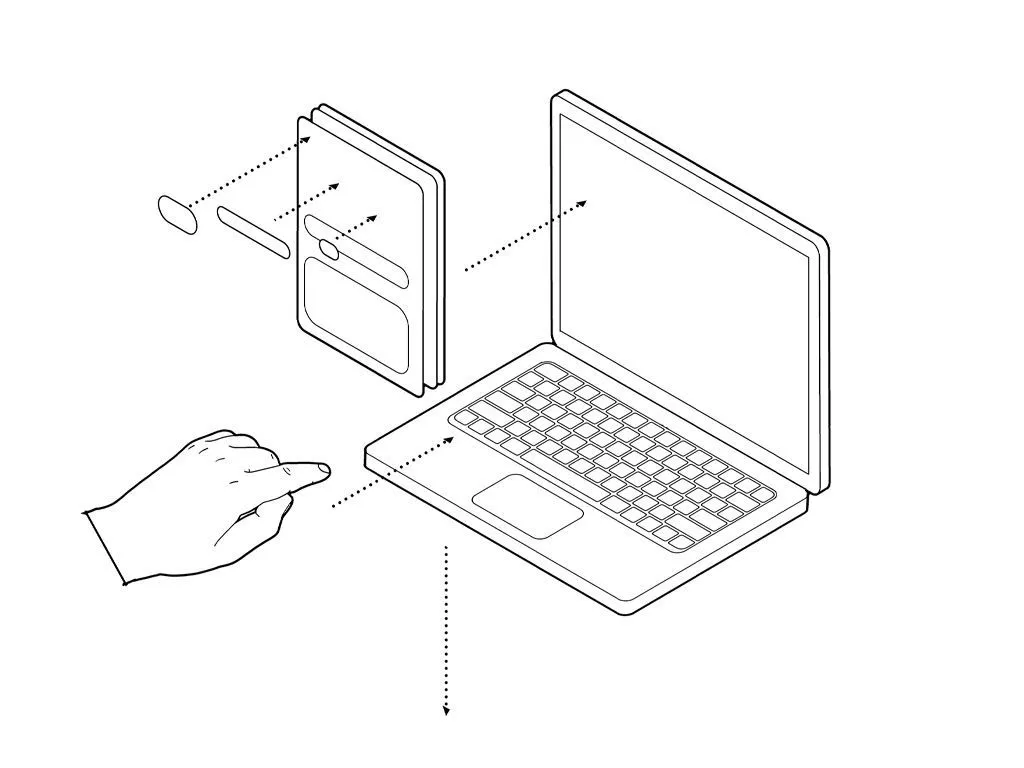
Information phase
Begin your journey by registering for the newsletter and become part of the sandbox community. This step connects you to the sandbox network, ensuring you receive updates, invitations, and relevant onboarding information.
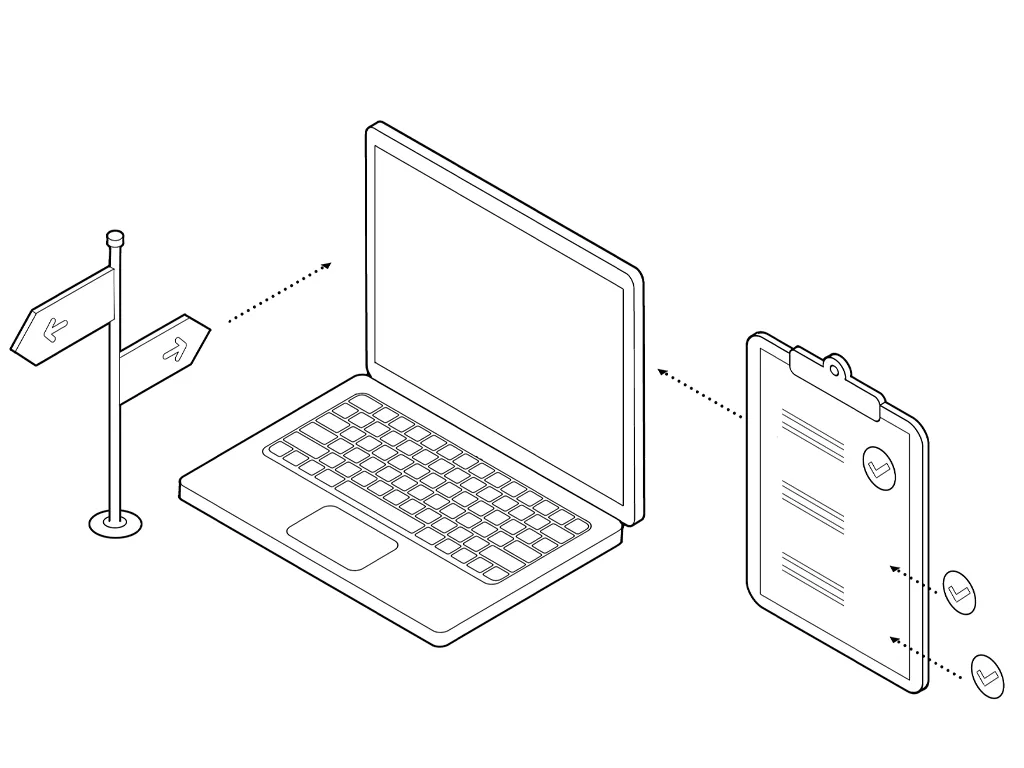
Individual onboarding
Requirements and approval criteria are presented transparently in the Ecosystem Knowledge Center. The sandbox readiness checklist can be used to check whether the organization is prepared technically, organizationally and compliance-wise.
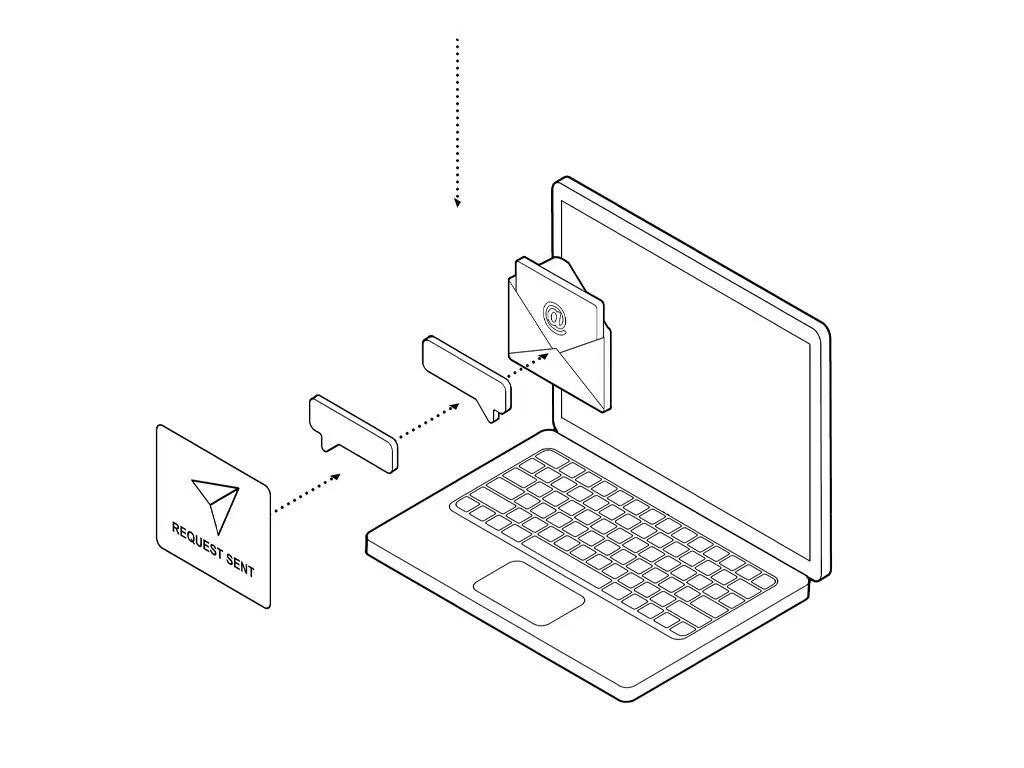
Letter of intent
The Sandbox-Intent-Form is filled out and the intention to participate is formally confirmed. After review, the sandbox team will contact you and guide you through the next steps.
Please submit a separate form for each use case. For multi-layered use cases — for example, using PID for identification as a first step before verifying or issuing EAA — please submit a separate form for each phase and indicate how they relate (e.g. "Phase 1/2 for PID, Phase 2/2 for EAA").
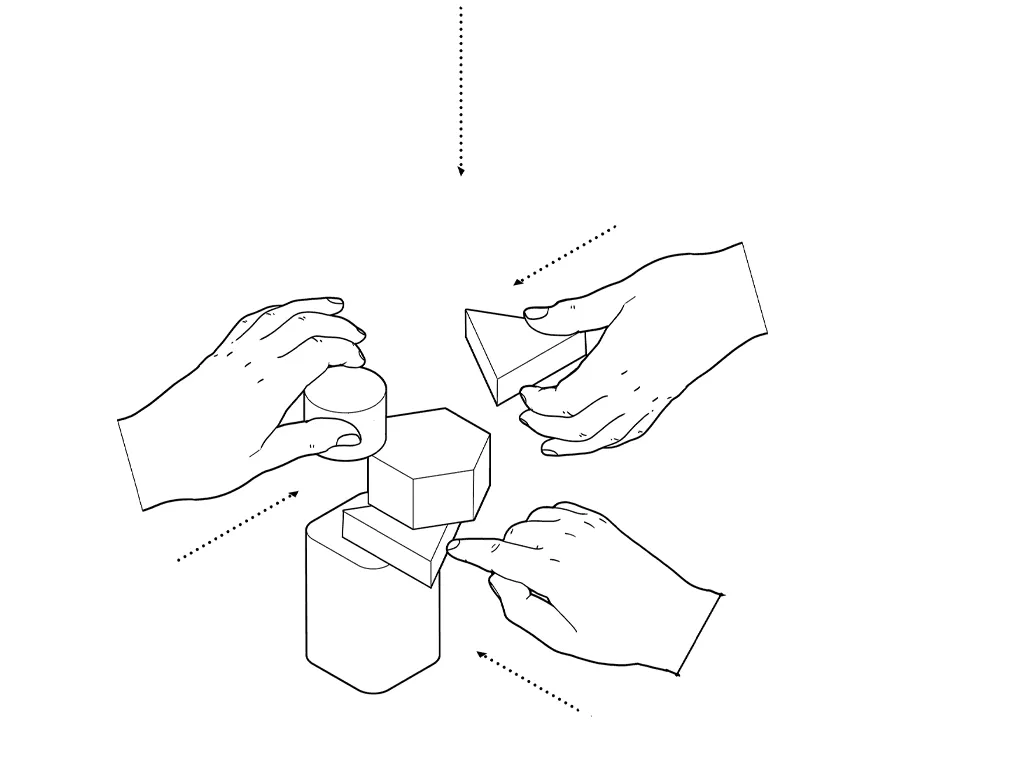
Define use case
A specific use case is defined and checked for compatibility with the PID or EAA functionality and sector-specific requirements. The provided use case template is completed and submitted for evaluation.
Read more: Exemplary use cases
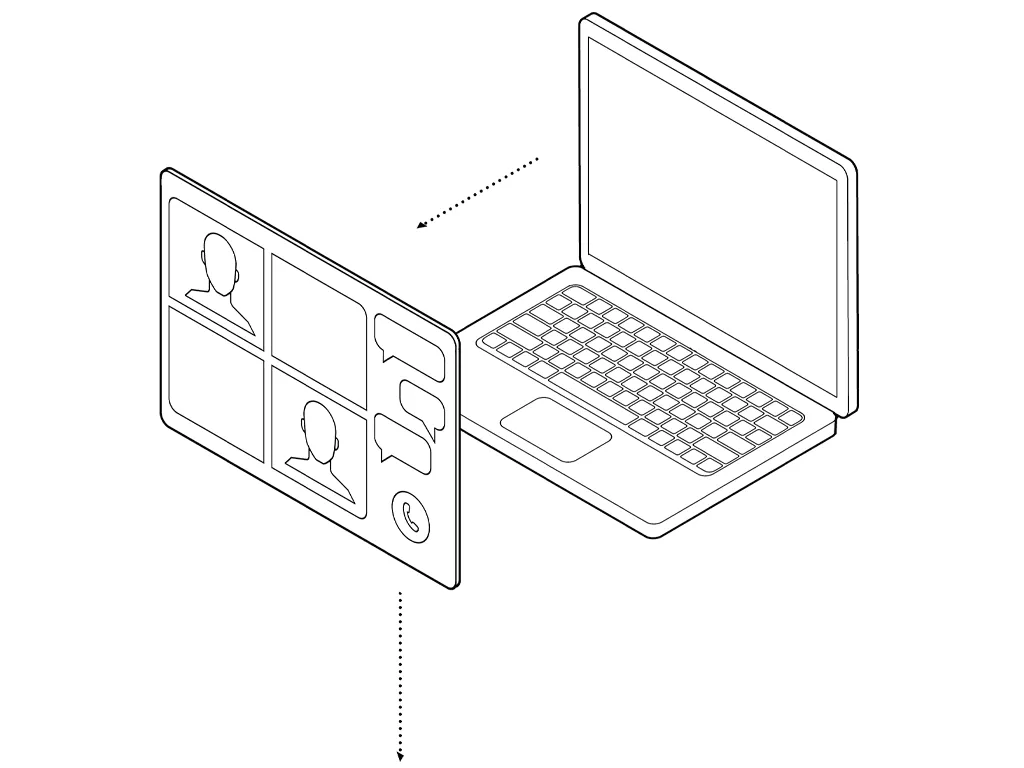
Kick-off call
Once the use case has been approved, an invitation to the official kick-off is issued. The national EUDI Wallet support team presents processes, resources and further steps. The approval of individual use cases currently serves as an interim solution, while support structures are being further expanded.
Read more: Next Steps After the Kick-off Call
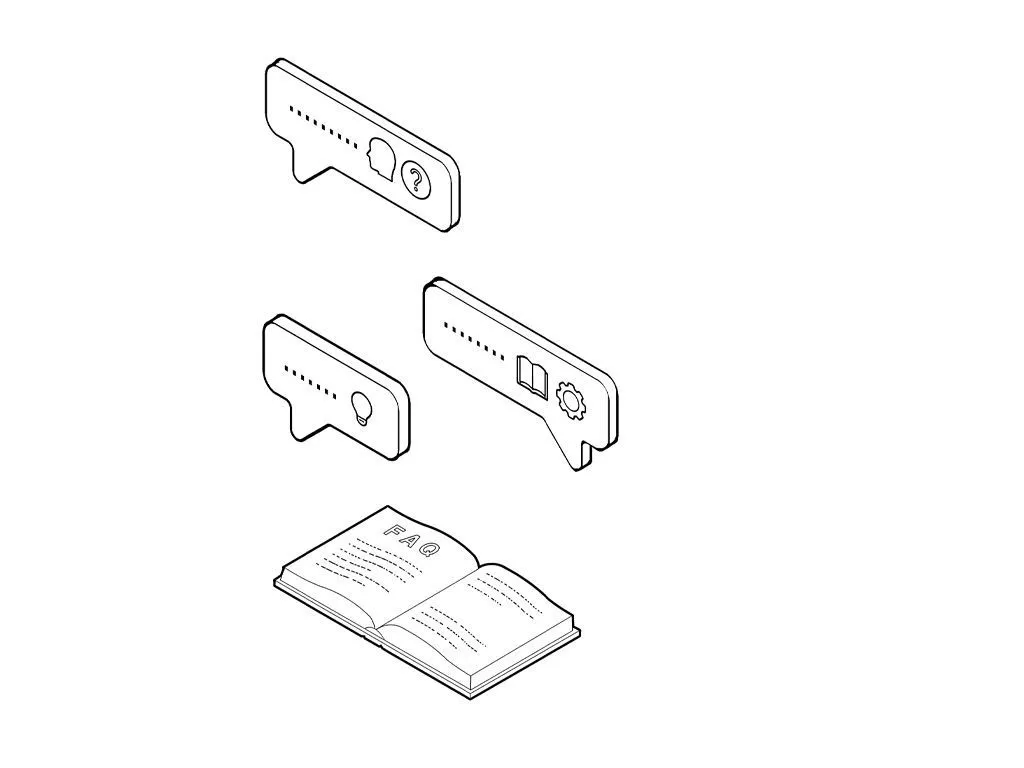
Test phase & Support
Structured self-service resources, FAQs and group formats are available during onboard-ing and testing. Additional technical support is offered if required.
Read more: Overview of the Sandbox support resources & Wallet Use Instructions
Validation and successful implementation
The use case is validated in the sandbox and checked for technical, compliance and operational requirements. The use cases are then prepared for productive operation.
Updates and Support
Current wave status and outlook
Step by step, the sandbox will be opened up to a wider range of organizations, allowing more participants to prepare for the national EUDI Wallet’s public launch.
Contact and support
Please consult our FAQ first, as it covers many common questions. If your inquiry remains unanswered, please submit a request through our Support form. The support form is our primary channel for assistance and ensures your request is logged and addressed efficiently.